
Branded vs unbranded clothes: when each works in your favour on Vinted and Wallapop
There’s a belief very common among people who start selling second hand: that without well-known brands, you can’t sell well. And there’s another equally common one among those who’ve been at it a while: that selling branded clothes items is always the best option. Both are incomplete.
The reality is that brands and no-brands each have their moment, their buyer and their pricing logic. Understanding when to use each is what defines whether your profile sells consistently or stagnates.
In this article I’ll explain how buyers think depending on what they’re looking for, what the real advantages and disadvantages of each type of item are, and how to build an inventory that combines both to achieve quick sales and good margins at the same time.
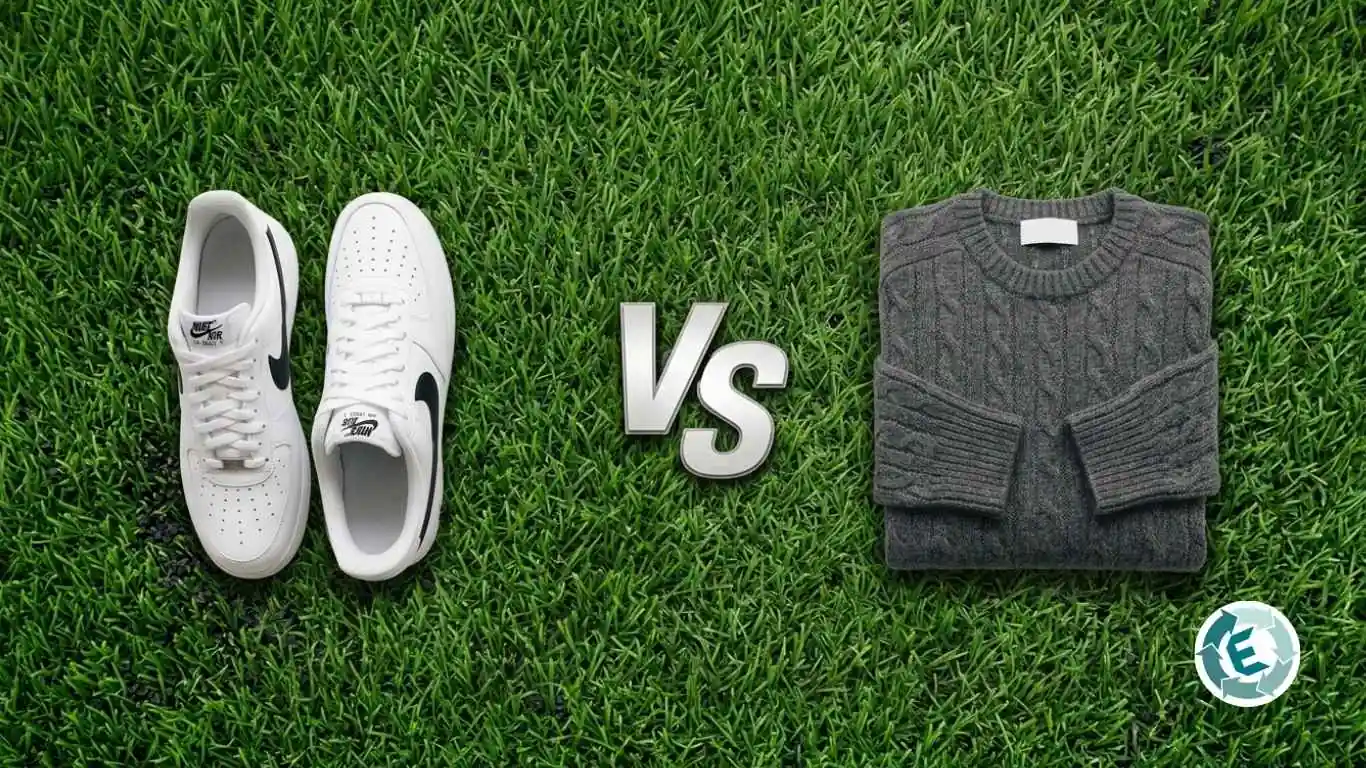
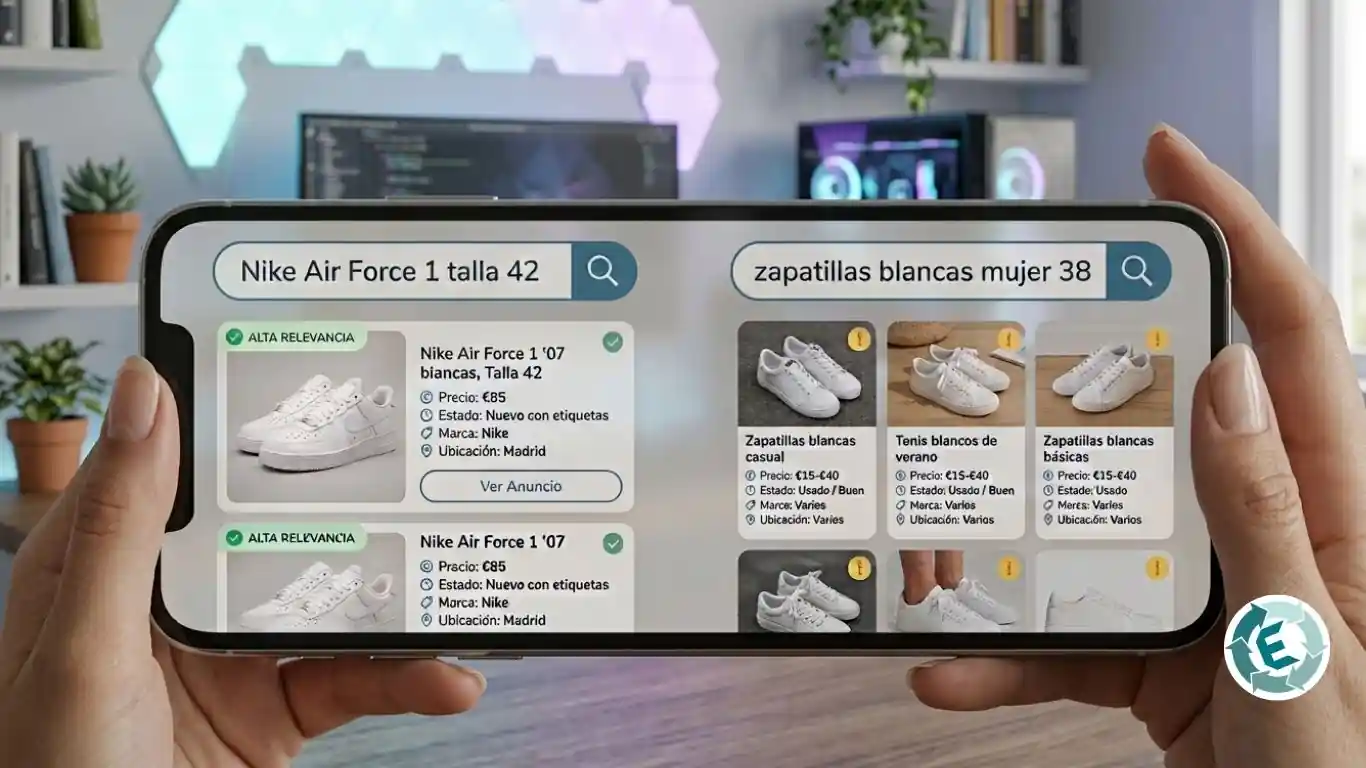
How buyers search: by brand or by item
On Vinted and Wallapop, two types of buyer coexist with completely different behaviours, and understanding them changes how you need to present each item.
The first profile is the brand buyer. They know exactly what they want before opening the app. They type “Nike Air Force 1 white size 42” or “Levi’s 501 blue 30/32” and filter results by brand, condition and price. They don’t scroll the feed looking for inspiration: they use the search bar like Google. For this buyer, the brand is the primary decision criterion. Everything else (photos, description, seller reputation) comes after.
The second profile is the item buyer. They have a more open need: they search “camel coat women size M” or “floral midi dress summer”. They don’t care whether it’s from Zara or a brand they don’t recognise: what matters is the design, condition and price. This buyer is more susceptible to visual presentation, the keywords in the description and the perceived value of the item.
The practical consequence is straightforward: if you’re selling Nike Air Forces, the work lies in the title and price because the buyer is already searching for that. If you’re selling an unbranded but good-quality coat, the work lies in the photo, the fabric description and the price that justifies buying it over a new one from H\&M for 30 euros.
Knowing which type of buyer is looking for each item you have is the first step in knowing how to present it.
The real advantages of selling branded items
Selling branded clothing has concrete advantages that unbranded items can’t easily replicate, and the most important ones aren’t the most obvious.
Direct searches without effort
A Nike or Levi’s item appears in searches you don’t have to generate: the buyer is already looking for that brand. That means traffic to your listing without needing a perfect title or exceptional photos. The brand does part of the work for you.
Higher prices without justification
A buyer looking for Adidas Samba already knows what they cost new and what they’re worth second hand in good condition. You don’t need to convince them your price is fair: if the photos confirm the condition you describe, the sale is almost automatic. With unbranded clothing, the buyer has no prior reference and you need to build the perception of value from scratch.
Faster sales velocity
Branded items with active demand (Nike, Levi’s, Zara, Mango, Adidas, New Balance, Ralph Lauren, Tommy Hilfiger) sell significantly faster than equivalent items without a recognisable name. The time an item stays listed is one of the factors Wallapop’s algorithm penalises, so sales speed and visibility go hand in hand.
The most searched brands on Vinted and Wallapop in 2026
According to activity data from both platforms and European second-hand market trends, the categories with the highest consistent demand are:
- Trainers: Nike (Air Force 1, Air Max), Adidas (Samba, Ultraboost), New Balance (990, 574), Salomon
- Denim: Levi’s (501, 505, jackets), Wrangler, Lee
- Women’s fashion: Zara, Mango, H&M, Pull&Bear
- Men’s casual and streetwear: Ralph Lauren, Tommy Hilfiger, Carhartt, Champion
- Accessible luxury: Calvin Klein, Lacoste, Tommy Hilfiger
- Premium and collectibles: Stone Island, Arc’teryx, Moncler, Gucci, Prada
The downside of well-known brands: competition and authenticity
The brands with the most demand also have the most supply. And that has consequences worth knowing before deciding where to invest time and money.
Competition is brutal for the most popular brands
Search “Nike Air Force 1 white” on Vinted and you’ll find hundreds of listings. To stand out among them you need either the best price, the best photos, or a combination of both. If your listing is just one more in that sea, it can go weeks without selling even if the item itself is good. Very popular brands have the paradox of attracting many buyers but also many sellers, and internal competition can neutralise the advantage of the name.
The authenticity requirement
Brands with high resale value (Lacoste, Ralph Lauren, Stone Island, any luxury brand) generate an authenticity requirement from buyers that can complicate the sale.
Both Vinted and Wallapop can ask you for documentation at any time if you’re selling branded items: purchase receipts, certificates of authenticity or any evidence showing the origin of the item. Having them to hand is not optional when you sell in this segment. Our guide on how to identify an original Lacoste polo and sell it for the best pricecovers the full verification and presentation process for Lacoste polos in detail.
Not every well-known brand has good resale value
Zara is the most searched brand in second hand in Spain, but it’s also the one that generates the most supply and maintains the lowest resale price relative to the original. A 20-euro Zara top new will hardly sell second hand for more than 5-7 euros, because the buyer knows they can find it almost new in the sales. The brand name helps it show up in searches, but it doesn’t guarantee a good margin.
Frequently asked questions about selling branded and unbranded clothes second hand
Which brands sell best on Vinted and Wallapop in 2026?
−In trainers, Nike (Air Force 1, Air Max), Adidas (Samba, Ultraboost) and New Balance lead the way. In denim, Levi's is the benchmark. In everyday women's fashion, Zara and Mango have the highest demand. For men, Ralph Lauren, Tommy Hilfiger and Carhartt are constant searches. In premium streetwear, Stone Island and Arc'teryx maintain very good resale value.
Is it worth buying branded clothing to resell second hand?
+It depends on the brand and the purchase margin. Brands with high resale value and low availability (limited-edition trainers, accessible luxury items in good condition) can yield good margins. Very popular but highly available brands (Zara, H&M) have tight margins. The key is finding items below their real resale price, not buying at market price and expecting to sell higher.
How do I describe unbranded clothing so it sells?
+Always mention the fabric composition (percentage of cotton, wool, synthetics), exact measurements if there's anything unusual about the sizing, the cut type and the season it's meant for. The more concrete information you give, the less the buyer has to imagine. And pay special attention to the photo: the fabric needs to be visible in detail.
Is it better to sell expensive branded clothing one by one or in lots?
+It depends on the type of item. High individual-demand items (branded trainers, Levi's jeans, bags) always sell better individually because the buyer is looking for that specific item and pays the full price. Lots work better for basic clothing, children's wear or brands with low individual demand, where the unit price doesn't justify the management effort.
Start selling with a clear strategy: every item has its approach
The difference between a profile that sells consistently and one that stagnates isn’t having more or fewer branded items: it’s knowing what makes each item valuable to the right buyer and presenting it accordingly.
A Nike with poor photos and a weak title loses part of its brand advantage. An unbranded item, well photographed, with fabric composition in the description and a well-calibrated price, can compete perfectly with branded items in its category. Strategy matters more than the label.
The problem that arises when working with both types at the same time is the management: keeping track of what’s listed on Vinted, what’s also on Wallapop, which ones have had no interactions for a while and which ones need relisting or adjusting becomes a task that consumes more time than it produces. EasyWList solves that. From a single tool you can see your entire inventory at a glance, mark each item by its status and move any item from Vinted to Wallapop in under 30 seconds, without searching for photos or rewriting descriptions.
The beta is free right now. Use it to build the mixed inventory that actually sells.